A Structured, Education-First Pathway for Modern Clinics
Adjunct Regenerative Modalities.
These adjunct regenerative modalities describe how supportive biologic options may be discussed within clinical care when appropriate. The focus is on education, biologic rationale, and clinical context — not on promotion or treatment claims.
Each modality is presented as a complementary consideration, outlining how it may be evaluated, explained, and documented alongside standard treatment approaches, within appropriate clinical, ethical, and regulatory boundaries.


Program Overview
An Education-Based Framework for Adjunct Regenerative Modalities.
This framework provides structured, education-focused guidance for how adjunct regenerative modalities may be discussed and evaluated within clinical practice alongside established treatment pathways.
Rather than positioning these modalities as primary or standalone therapies, this framework emphasizes their role as adjunct considerations, evaluated within appropriate clinical context, evidence awareness, and regulatory boundaries.
In application, this framework supports clinicians in:
- Evaluating adjunct regenerative modalities within specialty-specific clinical workflows
- Identifying appropriate clinical contexts where adjunct options may be discussed
- Differentiating indications, limitations, and evidence considerations
- Integrating adjunct modalities alongside standard treatment planning, not in place of it
- Maintaining compliant, consistent communication across providers and care teams
- Addressing documentation, regulatory, and risk considerations relevant to adjunct use
Educational areas addressed within this framework include:
- Platelet-Rich Plasma (PRP) as an adjunct regenerative consideration
- Exosome education (if included), framed within current evidence and regulatory context
What Makes This Program Different
How Adjunct Regenerative Modalities Are Applied in Clinical Practice
Most Adjunct Regenerative Modalities programs focus on procedures, pricing, or volume. Synergy focuses on foundation first. Our program is built around four pillars:
Who This Program Is For
Clinics Incorporating Adjunct Regenerative Modalities.
This program is designed for physicians and practices that use adjunct regenerative modalities as part of broader evaluation, education, and care planning, within established standards of care and regulatory expectations.
It supports clinics seeking structured, evidence-aware, and compliant communication around adjunct options without positioning them as primary or standalone treatments.
It is commonly used by:
- Orthopedic practices incorporating adjunct modalities alongside surgical and conservative treatment pathways
- Pain management clinics evaluating supportive regenerative options within chronic or complex pain care
- Sports medicine practices addressing recovery, joint health, and tissue support in active patient populations
- Family and general practice clinics guiding referrals and coordinating adjunct care discussions
- Multispecialty and referral-based clinics seeking consistent, standardized education around adjunct regenerative use


Patient-Facing Philosophy
Clear Education Builds Patient Confidence.
Patients are informed and cautious. Effective discussions around adjunct regenerative modalities rely on clear, ethical education grounded in evidence, clinical context, and realistic expectations — not promises.
These pathways support patient conversations around:
- What adjunct regenerative modalities are designed to support within a broader care plan
- What current clinical evidence demonstrates — and where limitations remain
- Why patient selection, diagnosis, and specialty context are critical
- Why conservative, evidence-aligned recommendations are often appropriate
By prioritizing transparent explanation and careful expectation-setting, clinics support informed decision-making, regulatory alignment, and long-term patient trust.
Built for Growth — Without Regulatory Anxiety.
The Synergy Regenerative Medicine Program is designed to support responsible growth while preserving clinical independence. Participating physicians maintain full autonomy, control all patient decisions, and retain complete ownership of their protocols and practice.
Education
Clear, clinically relevant guidance on stem cell biology, appropriate use discussions, and regulatory considerations.
Structure
Explicit clinical boundaries that support ethical communication, proper documentation, and risk awareness.
Guardrails
Defined care pathways that align with existing diagnostic, treatment planning, and follow-up workflows.
Strategic Support
Ongoing clinical and compliance-focused guidance as stem cell therapy pathways evolve in practice.

Built for Growth.
At Synergy, our focus has always been helping physicians adopt regenerative medicine in a way that protects their license, their patients, and their long-term practice.
Perry Myers
Founder – Synergy
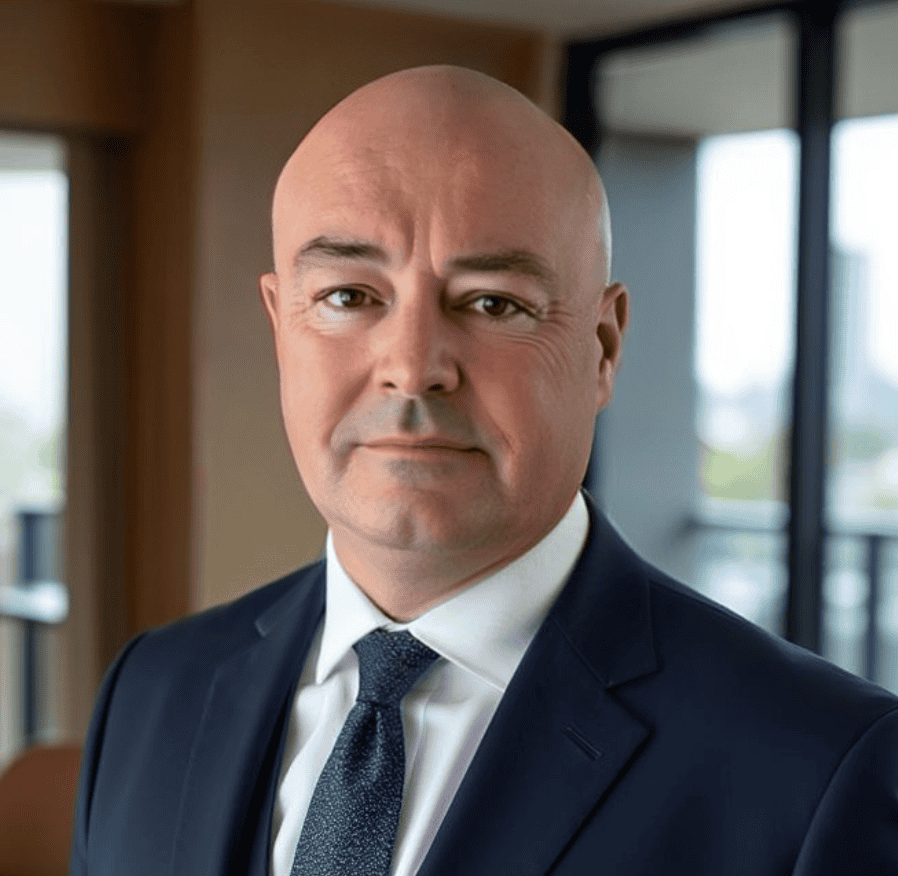
Clarity Over Hype.
Synergy exists to give physicians a clear, defensible path into regenerative medicine. Everything we build prioritizes patient trust, clinical judgment, and long-term sustainability.
James Finnegan
Founder – Synergy
Why Clinics Choose Synergy.
A physician-first approach to regenerative medicine — combining education, structure, compliance, and responsible marketing.