

Designed to Integrate Seamlessly into Clinical Workflows
Rather than focusing on immediate clinical application alone, stem cell banking addresses how biologic materials are ordered, sourced, stored, accessed, and administratively managed over time. This ensures that regenerative care discussions and programs are supported by systems designed for traceability, quality control, and responsible use.
This framework allows physicians and practices to integrate biologic banking into care pathways while maintaining alignment with clinical standards, regulatory considerations, and documentation requirements, without disrupting existing workflows.

Core Service Pillars
Foundational Components of the Stem Cell Banking Program.
- Stem Cell Banking as a foundational infrastructure component supporting long-term access and continuity of care
- Cell Sourcing & Quality Control frameworks focused on traceability, handling standards, and source transparency
- Storage & Access systems that support secure, controlled availability aligned with clinical and regulatory considerations
- Administration & Monetization pathways addressing protocols and operational efficiency
- End-to-End Training to ensure practices are equipped with the knowledge, tools, and resources required for responsible program growth
What Makes This Service Different
How Stem Cell Banking Supports Practice Operations and Program Growth
It functions as an infrastructure layer that supports how stem cells are ordered, managed, stored, accessed, and administered over time. Rather than focusing on individual procedures, this service addresses the systems and workflows required to operate programs responsibly and at scale.
Our stem cell banking services support continuity, oversight, and operational efficiency while aligning with clinical, documentation, and regulatory requirements.
This service is guided by four core operational pillars:
Who This Service Is For
Clinics Building Long-Term Stem Cell Banking Infrastructure.
This service is designed for physicians and practices that require structured, compliant systems to support biologic ordering, storage, access, and administrative management over time—without disrupting clinical workflows.
Stem cell banking supports practices that prioritize continuity of care, documentation integrity, and scalable program operations within established clinical and regulatory frameworks.
It is commonly used by:
-
Orthopedic and regenerative practices integrating biologic banking into long-term treatment planning
- Pain management clinics supporting repeat access and continuity across chronic care pathways
- Sports medicine practices managing recovery-focused programs with structured biologic access
- Primary care and integrative clinics coordinating referrals and longitudinal biologic oversight
- Multispecialty and referral-based practices seeking centralized, standardized banking infrastructure


Patient-Facing Philosophy
Clear Education Builds Patient Confidence.
Patients are informed and cautious. Effective stem cell banking discussions rely on clear, ethical education focused on long-term access, oversight, and realistic expectations — not promises.
Stem cell banking education supports patient conversations around:
- What stem cell banking is and how it supports continuity of care over time
- How stored biologic materials may be accessed within appropriate clinical contexts
- Why proper sourcing, storage, and documentation matter for patient safety
- How banking fits alongside standard treatment planning, not as a guaranteed outcome
Built for Growth — Without Regulatory Anxiety.
The Synergy Regenerative Medicine Program is designed to support responsible growth while preserving clinical independence. Participating physicians maintain full autonomy, control all patient decisions, and retain complete ownership of their protocols and practice.
Education
Clear, clinically relevant guidance on stem cell biology, appropriate use discussions, and regulatory considerations.
Structure
Explicit clinical boundaries that support ethical communication, proper documentation, and risk awareness.
Guardrails
Defined care pathways that align with existing diagnostic, treatment planning, and follow-up workflows.
Strategic Support
Ongoing clinical and compliance-focused guidance as stem cell therapy pathways evolve in practice.

Built for Growth.
At Synergy, our focus has always been helping physicians adopt regenerative medicine in a way that protects their license, their patients, and their long-term practice.
Perry Myers
Founder – Synergy
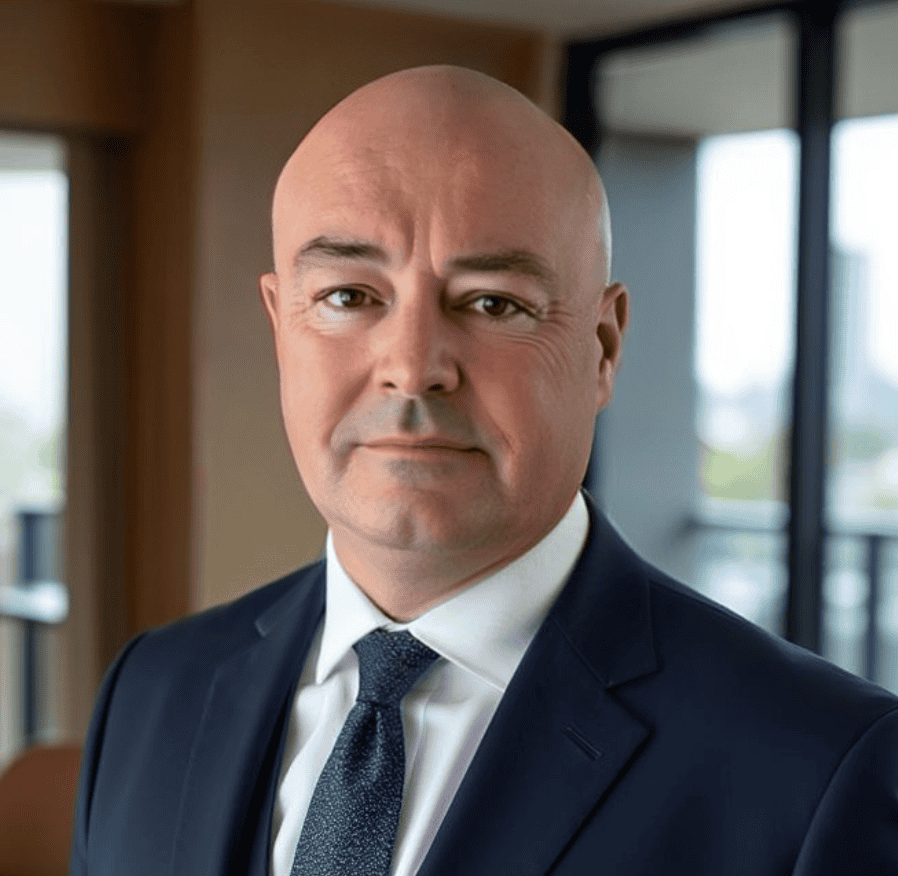
Clarity Over Hype.
Synergy exists to give physicians a clear, defensible path into regenerative medicine. Everything we build prioritizes patient trust, clinical judgment, and long-term sustainability.
James Finnegan
Founder – Synergy
Why Clinics Choose Synergy.
A physician-first approach to regenerative medicine — combining education, structure, compliance, and responsible marketing.